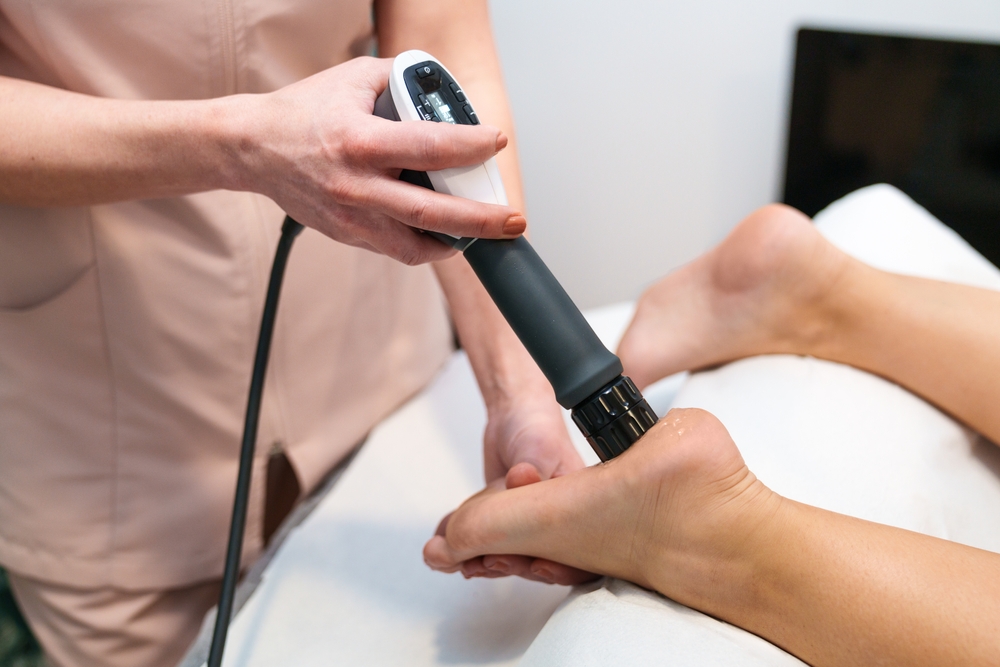
There are a number of modern approaches that may be beneficial during physical therapy programs, and one that’s growing in popularity across recent years is shockwave therapy. What exactly is shockwave therapy, and why is it often an effective part of physical therapy for people with certain chronic or similar injuries?
At ImPackt Physical Therapy, we’re proud to offer a wide range of physical therapy services to clients around Riverton, South Jordan and nearby parts of Utah, including radial pressure wave therapy and other methods of shockwave therapy. What is this methodology, what are its benefits for many PT patients dealing with various chronic injuries, and what else should you know about it? Let’s dive in!
What is Shockwave Therapy?
While its modern uses are somewhat new, the broader concept of shockwave therapy is one that dates back several decades. It was first developed in Germany in the 1960s, originally used primarily to break up kidney stones and make them easier for patients to pass.
But over the decades since, much more research was done on the effects of high-energy shockwaves on various soft tissue injuries. It was found that these waves could stimulate tissue healing, increase blood flow, and reduce pain – all in a non-invasive way.
Today’s shockwave therapy programs involve the use of targeted shockwaves, directed at specific areas of the body to promote healing and reduce pain. This is done through specialized machines that generate and deliver the shockwaves with precision.
Key Benefits of Shockwave Therapy for Soft Tissue Injuries
There are several direct benefits that shockwave therapy has shown for soft tissue and similar injuries, including both acute and especially chronic issues:
- Improved circulation in injured area: For many soft tissue injuries, lack of blood flow is a major contributing factor to slow healing. Shockwave therapy helps to promote increased blood flow and circulation in the affected area, which can drastically improve recovery time.
- Stimulates stem cell growth: Shockwaves have been shown to stimulate stem cell production, which is crucial for repairing damaged or injured tissues. Stem cells are able to differentiate into various types of cells and aid in the regeneration process.
- Breaks up calcified deposits: As we noted earlier, shockwave therapy was first used to break up kidney stones. These and similar uses remain an important application of shockwave therapy, as the high-intensity waves can effectively break up calcified deposits in various parts of the body.
- Reducing pain: By overstimulating nerve endings in the injured area, shockwave therapy has been shown to reduce pain, particularly in cases of chronic tendonitis or other chronic injuries.
- Promotes tissue repair: Shockwave therapy has also been found to stimulate the production of collagen, a protein essential for repairing damaged tissues. It can also increase blood flow to the affected area, aiding in the healing process.
Furthermore, shockwave therapy is a fully non-surgical and non-invasive treatment option, making it a safe and effective alternative to more invasive treatments like surgery or steroid injections. It also does not usually require any downtime, allowing patients to resume their daily activities immediately after treatment.
Limited Side Effects
Another great benefit of shockwave therapy is that it has very few side effects. Unlike traditional treatments for musculoskeletal conditions, shockwave therapy does not involve the use of medications or injections, which often come with a variety of potential side effects.
The most common side effect reported with shockwave therapy is mild discomfort during treatment, but this can easily be managed by adjusting the intensity of the waves. Some people report very minor bruising or odd sensations for an hour or two after treatment in the affected area, but even these effects are rare.
Groups Who Should Be Careful With Shockwave Therapy
While none of these conditions necessarily blocks a patient from being eligible for shockwave therapy, you should at least consult with your doctor before receiving it if you have any of the following:
- Pregnancy (especially if treatment is near the womb): If you are pregnant or think you may be pregnant, it’s important to talk to your doctor before starting shockwave therapy. While there is no evidence that the waves themselves are harmful during pregnancy, it’s always best to err on the side of caution.
- Issues in certain areas: If the treatment will be used near malignant tumors, the lungs, or the brain or spine, you may want to reconsider receiving shockwave therapy. Again, while there is no evidence that the waves themselves are harmful in these areas, it’s important to consult with your doctor first.
- Bleeding disorders: Certain bleeding disorders, such as hemophilia, may increase the risk of bruising or bleeding during shockwave therapy. Your doctor will assess your medical history and make a decision whether or not shockwave therapy is safe for you.
Shockwave therapy can be immensely beneficial to many patients as part of physical therapy. Contact our team at ImPackt Physical Therapy to learn about these or any of our other PT services around South Jordan, Riverton and nearby areas of Utah!